Published on · 4 min read · Ler em Português
The Promise of Free Market
By the end of protectionism we can reduce our barriers and let the best companies win in the fight for markets.
- Brexit
- Refugees
- Liberalism
- Globalization
- Brazil
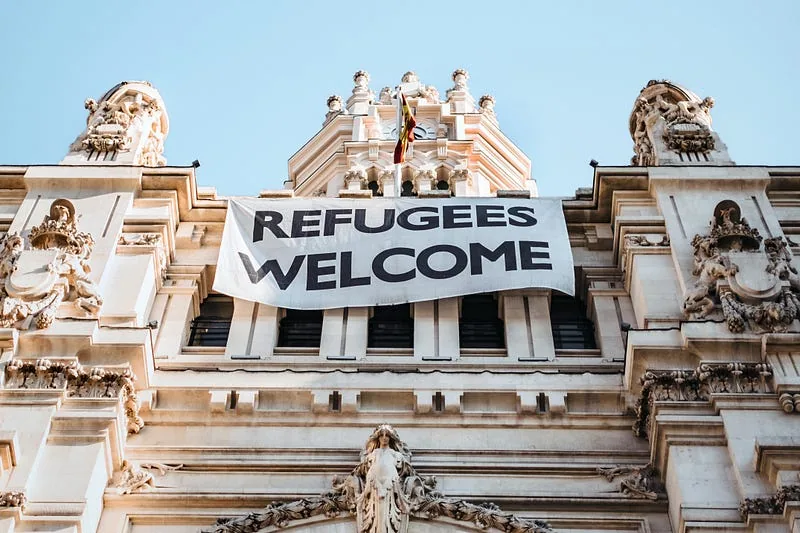
By the end of protectionism we can reduce our barriers and let the best companies win in the fight for markets. The problem is that the “best” companies (which produce more, for less) are in the advanced rich world, and in the Eastern servitude.
Some economists do not consider this a problem, since it would compel each nation to specialize in what it does best. In the case of Brazil, this means iron and soybeans, which occupy a lot of space, cost little and do not let the fear of unfavorable trade balance die. If Brazil leaves its industries to sell only primary products, its deficit can grow, until a populist president declares bankruptcy, or a conservative, the austerity.
One solution is to raise the price. This is what environmentalists defend, since agriculture, livestock and mining, affect the environment dramatically. The price of these economic activities does not cover the ecological and social damages they bring, leaving the burden on society as a whole, and not on the producers.
Charging more is a way to reduce or compensate for environmental damage, but it may have no effect on the trade balance, as rising commodities also make secondary and tertiary goods expensive (cars are made of iron and workers consume soy).
It is important to understand that the free market is not just a choice, a decision that a leader can take at any moment and then go back. Such freedom requires difficult or even impossible agreements. The shameful disorders of Brexit speak for themselves.
The free market will only be possible when all nations reach the same stage of industrialization and human development or, more likely, when the overwhelming capitalist craving loses strength and progress is no longer tied to economic growth. That is because liberalism is not the key to development, it is its consequence. We must first overcome poverty and extravagant wealth, which concentrates so much power in a few hands. First we need to combat xenophobia by attracting foreigners to our own nations, privileging diversity over traditions, multiplying knowledge and access to culture.
There is no free market without the real possibility of each professional looking for a new place to live, work and invest, without bureaucratic obstacles such as passports and customs barriers. Inequality is not the subject of this text, but overcoming it is a requirement for free citizens.
As an attempt to recycle ideals that lose popularity, conservatives constantly repaginate their speeches, recently appropriating the term “liberalism.” They have made a selective and convenient version, which releases weapons and prohibits abortion, or which frees markets and restricts migration. An elitist government project that haunts the world, walking hand in hand with the new kings and their wealthy aristocracies.
Liberalism can be much more than that, building a free society to consume from many small producers and choosing professionals and companies with shared ideals. To value what is appropriate to the reality of each individual, be it to run the family business, or to cross the ocean to start a new life.
Defending liberalism before protecting welfare is a dangerous way of nurturing privileges and further separating the rich from the poor, whether as nations or even within them, building closed condominums and far from reality.
No solution can come from the alarmist xenophobia of Trumps, Mays and Bolsonaros, but from the diversity of multiple peoples and cultures, sharing knowledge and enriching cultures. Diversity is perhaps one of the few positive consequences of the enslavement of African peoples, which brought their cultures, traits, history and importance into the larger imperialist powers. It has been centuries, but racism today is fought, which could never happen without the diversity and the black presence in the rich nations.
For a moment imagine a world of small farmers (even if mechanized), small confections, industries, trades and service providers. No large shopping centers that concentrate global brands, standardizing the world beyond what is desirable, but the personality of small local businesses.
In this context, each country can take back its identity, economy, jobs, solutions, technologies and science. It is patents and scientific discoveries that must be globalized, not industry and culture. This is the progressive ideal.
National boundaries define culture, language, politics and administration, but they should never serve as barriers for their peoples. A world of free people and capital can reach the free market, because it is an end, not a means.