Published on · 4 min read · Ler em Português
Relieved breath
It’s January 2021 and the worst is over.
- Coronavirus
- Fiction
- Future
- Equality
- Relieved Breath
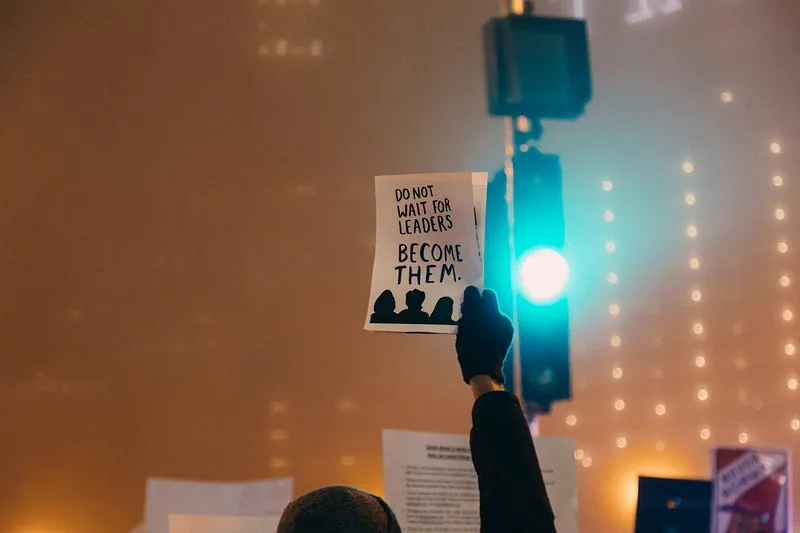
It’s January 2021 and the worst is over. Not for everyone, but for most. Doctors and nurses treated the sick and themselves, the army cremated the dead and the first vaccines are being tested. Hospitals have not yet returned to normal, but the virus has stopped spreading. #relievedbreath joins the top trends of Twitter.
Walking through the streets again, people hug, kiss and touch, as they did not remember that it’s possible. The air is clean and the economic slowdown has even returned some of the snow that had melted in the Alps. Happiness is contagious, but it doesn’t last forever. Closed stores and aimless people are signs that the world has broken. Businessmen went bankrupt and the poor are even poorer.
Without jobs and savings, the strongest survived, each with a sad story to tell on television. The cousin died of dengue and the child of leptospirosis. Hospitals overcrowded by a virus could not treat what was already killing before.
Unpayable public debts and devastated economies are the new pandemics, spreading fear and uncertainty. Rich nations make promises, banks make loans, rich people hide the money that would change the world in safe investments. The recession leaves profound marks on a generation that gives up its plans. Depression and violence explode, with more culprits than solutions.
It would be the beginning of a new tragedy, but the memory of the virus persists. Everyone has lost loved ones, professions and savings. The common enemy has made us more human, we donate money and ourselves to face it.
We support each other for the good of all, and we are convinced that we are one people. For fear of contagion, the wealthy discovered that they belong to the same species as those who sleep under the overpass.
It’s not an epiphany or even deliberate altruism, but enough to rethink the world. Reinventing, not bomb-ravaged cities, but an economy of superfluous products and useless work. Opportunity to not let die the rare feeling of solidarity to transform privileges into equality, or something close to that.
To deal with the pandemics of the future, health and education are nationalized. To deal with poverty, work becomes a right. Transparency and high taxes for the rich make the new model viable, returning to the society the wealth that was previously converted into private mansions and jets.
Poverty is now a ridiculous myth from the past, alongside witches and dragons. Work is no longer menial, when they discover that without unemployment, no one needs to work as hard. They all work for four hours, sometimes two hours. Soon, machines replace workers, who need not fear them. For the first time, the State is responsible for people.
Without the reserve of unemployed people that shaped the modern world, regulated capitalism proves to be more human than one could imagine. Wealth is distributed among wage earners, and the money that the rich once deposited in safe investments is now converted into income for the poorest, who become consumers. More consumers means more profit and entrepreneurs discover that it’s not necessary to exploit anyone to make money and build a harmonious society.
Servants were turned into workers and now consumers. Consumers who do not need to work, but are engaged in other ways besides leisure, because even leisure depresses when it’s the only reason to live. Some travel, others dedicate themselves to idleness, and education appears as an irresistible attraction. Encouraged by the state, the third economy turns consumers of products into consumers of knowledge. Knowledge and culture are now the most valuable assets.
Society becomes more and more egalitarian and wealthy. Collective wealth of material goods, quality of life, science and technology that develop at an unprecedented speed. So much knowledge creates new products and solutions, recovering the planet from decades of primitive industrialization.
We always feel like a superior species to the others and for the first time we have some reason to really believe it. We don’t fight anymore, we don’t exterminate other species, we don’t pollute our world and not even others. We are unique in our ability to reconcile individual freedom and collective progress.
Other viruses appear and disappear without meriting a line in the history books. It may be impossible to prevent some deaths, but pandemics will be extinguished. They may already be, like that dream I had with my eyes open.