Published on · 4 min read · Ler em Português
For fearful thieves, again
The explicit difference between an authoritarian regime and a democracy is the length of time in power.
- Brazil
- Bolsonaro
- Lula
- Elections
- Democracy
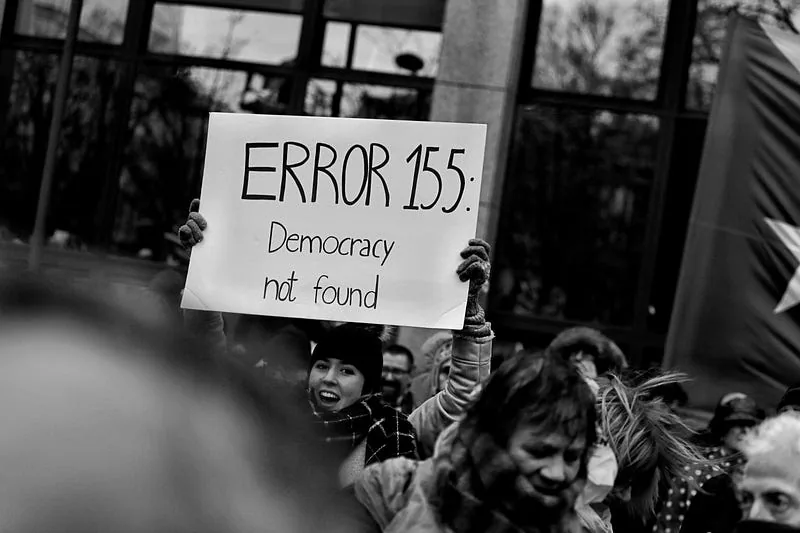
The explicit difference between an authoritarian regime and a democracy is the length of time in power. In democracy, rich white men in suits take turns, sometimes a woman passes by and reaches the most important seat in the country, sometimes an afrodescendant, and very rarely, a poor man (like Mujica’s important example).
In an authoritarian regime, for long decades we must get used to the same evil face, male and mustachioed, with exceptions, like Chávez. I’m talking about mustaches, of course, but Maduro cared to solve the problem when his turn arrived.
The alternation of power is a security against authoritarianism. It prevents rulers from taking root, in addition to weakening networks of corruption, although not avoiding them. Alone this argument is sufficient to support causes like The End of the Professional Politician and the election of new deputies and new senators, people that have never stepped in the Congress.
The alternation also draws some power from the local “coronéis” (political leaders, landowners from the interior of Brazil), who are obliged to give in. It’s true that they can find ways to elect their puppets, but even puppets can take on a life of their own, at the same time that the alternation favors the emergence of new candidates with different parties, ages and proposals. Who knows, even someone who is not corrupt?
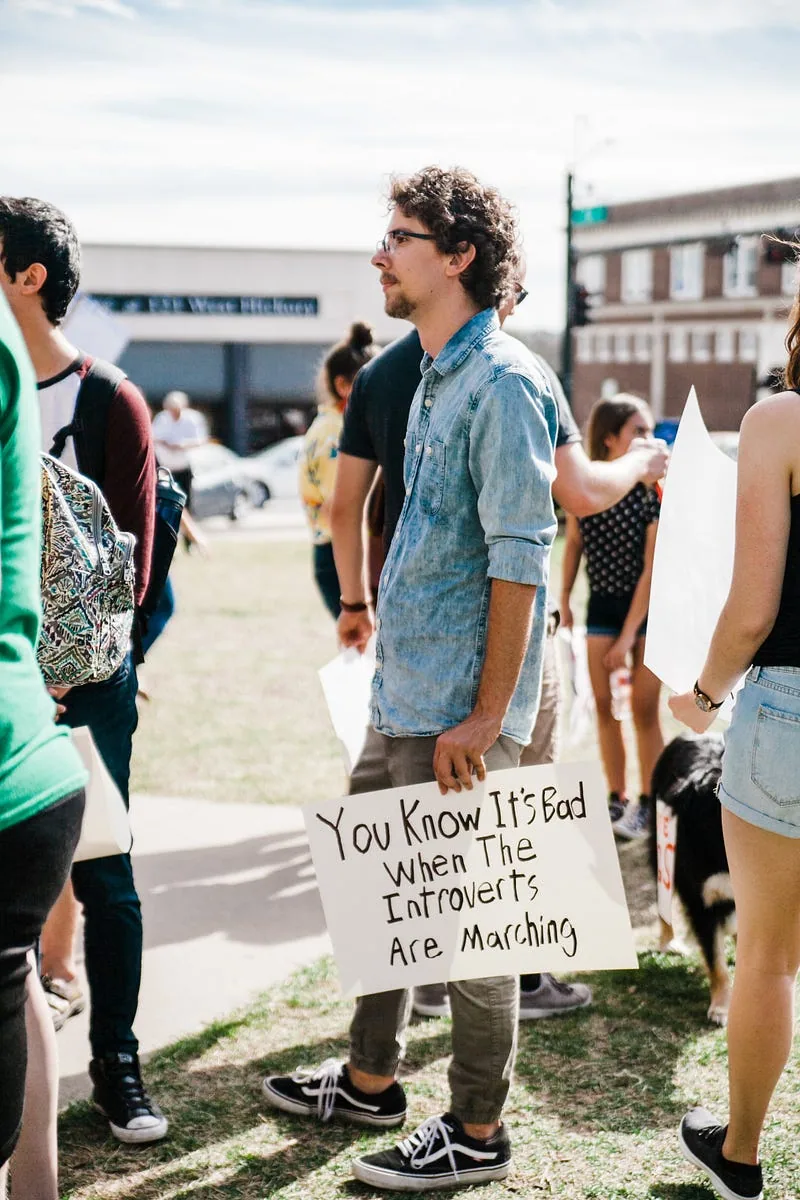
In 1997 the President Fernando Henrique Cardoso (FHC for the intimates) made the biggest mistake of his career. I’m not talking about the reelection scandal (sale of votes), but from the reelection mechanism itself, because of it, since 2002 his party (PSDB) never rose to power again.
It was a shot in the foot, not only of the members of the party, but of democracy itself. Brazilians had to swallow a long FHC era, followed by an immense Lula era, and the alternation of power has become more a fairytale of developed countries. The roots deepened until no one else could pull them away, leading to corruption scandals in the same proportions.
No matter the party and the government, corruption is above all, and after many mandates in a row, it’s almost impossible not to get to the point where Brazil is. It’s like a thief that gets more and more daring, as the years go by and nobody arrests or takes his place. At first he steals only some coins, then he doesn’t resist the temptation, and consumed by the monetary frenzy, fills his underwear with money.
Without political rotation, power gets concentrated for too long, which only pleases the favored, and today half of the Brazilian population doesn’t feel that they are part of this group. Justified and unjustified repudiation grew with the scandals and the administration of President Dilma. This repudiation turned into hatred, bringing to the 2018 elections a “different” candidate who openly praises the torturers and the Military Dictatorship time.
“Anything is better than Lula” fights with “anything is better than fascism” (this should be obvious), and democracy loses, once again. The non-rotation of power has polarized the country as a struggle of good against bad, where everyone thinks they’re on the right side (even who is in favor of killing bandits, and with no guilty conscience, promote corrupt candidates).
The fact is that if the perfect candidate existed, it would not be a democracy. It’s like a phrase attributed to Churchill: “Democracy is the worst form of government, except for all others”. Each one is their own unique and perfect candidate.
If you do not want to go into politics (or feed a dictator), choose the candidate that most resembles your convictions. It’s unlikely that all presidentials will be totally incompatible with your way of thinking. Oh, but your candidate has no chance? Maybe that’s because you do not vote in him (and because the election poll influences the results, but that’s another story).
Democracy is always at risk and we need to fight, I hope that only at the polls.